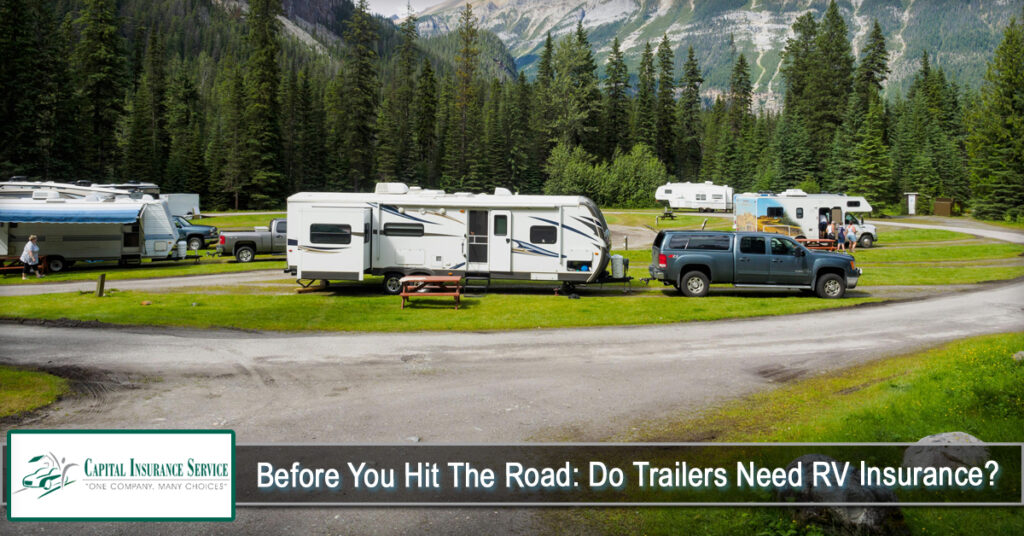
Planning a road trip with a trailer—whether it’s a travel trailer, pop-up camper, or fifth-wheel—opens the door to adventure, comfort, and flexibility. But before you hitch up and head out, there’s an important question many owners overlook:
Does your trailer need RV insurance?
The answer depends on the type of trailer you own, how you use it, and what level of protection you want. While some coverage comes from the vehicle towing the trailer, it’s rarely enough to protect against damage, theft, liability, and roadside surprises. Understanding your insurance needs now can save you money and headaches later.
Is RV Insurance Required for Trailers?
Unlike motorhomes, most states do not require insurance for towable trailers—but that doesn’t mean you should go without it.
What typically is required:
- If a trailer is financed, the lender may require comprehensive and collision coverage.
- Liability coverage usually extends from the tow vehicle.
What typically is not required:
- Insurance for physical damage to the trailer itself
- Coverage for belongings inside the trailer
- Coverage for campsite liability or additional living expenses
Even though it’s not always mandatory, having dedicated RV or trailer insurance is often the safest and most cost-effective choice.
What Coverage Do You Get Automatically?
Most auto insurance policies extend liability coverage to a trailer while it’s connected to your vehicle.
That means:
If your trailer damages someone else’s property or causes injury during towing, your auto policy’s liability may cover it.
But liability coverage does not include:
- Damage to your trailer
- Theft or vandalism
- Fire, storm, or flood damage
- Coverage for items stored inside
- Liability while the trailer is parked or being used as a temporary residence
To protect your trailer—not just other drivers—you’ll need additional insurance.
Why You Should Consider RV or Trailer Insurance
Here’s what standalone RV or trailer insurance can cover:
1. Comprehensive and Collision Coverage
This protects your trailer from:
- Theft
- Fire
- Vandalism
- Storm or water damage
- Accidents or collisions
Travel trailers are often expensive, making this coverage essential.
2. Personal Property Coverage
Covers belongings inside the trailer such as:
- Camping gear
- Electronics
- Clothing
- Appliances
This is crucial for long trips and family adventures.
3. Campsite and Vacation Liability
Protects you if someone is injured near or inside your trailer while you’re parked.
4. Roadside Assistance
Trailers can’t drive themselves—and towing a disabled trailer can be costly.
RV roadside plans often include:
- Flat tire assistance
- Towing
- Jump-starts for the tow vehicle
- Help with lockouts or lost keys
5. Full-Timers Coverage (if applicable)
If you live in your trailer full-time, specialized coverage protects you like a homeowner’s policy.
Different Types of Trailers and Their Insurance Needs
Different trailers come with different levels of risk and insurance recommendations.
Travel Trailers
- Usually need a separate RV policy for full protection
- Popular for vacationing families
Fifth-Wheel Trailers
- Often higher value
- Lenders may require comp/collision
Pop-Up Campers
- Lower-cost option
- Still vulnerable to storm and road damage
Utility and Cargo Trailers
- May need separate coverage depending on use
- Used for hauling tools, equipment, or recreational gear
Toy Haulers
- Higher risk of theft or property loss
- Coverage needed for bikes, ATVs, and gear stored inside
Outdoor enthusiasts in Reno, NV frequently use trailers for camping, boating, and long-haul trips across Nevada and neighboring states. Because weather and road conditions can change quickly—especially in mountain and desert areas—having proper trailer insurance helps protect against unexpected breakdowns, storm damage, and accidents.
When Is Trailer Insurance a Smart Investment?
Consider a dedicated policy if:
- Your trailer is new or expensive
- You travel frequently
- You store valuable items inside
- You visit campgrounds or parks regularly
- You could not easily afford to replace the trailer
- You tow long distances or in unpredictable weather
In many cases, a low-cost RV insurance policy provides peace of mind that far outweighs the premium.
Tips for Choosing the Right Trailer Insurance
- Ask whether your auto policy offers any built-in protections
- Consider bundling with home or auto for discounts
- Choose the right deductible based on your budget
- Review coverage for personal items (limits vary widely)
- Check whether roadside assistance includes both the tow vehicle and the trailer
Conclusion
While most states don’t require standalone insurance for towable trailers, going uninsured can leave you vulnerable to theft, accidents, storms, and costly repairs. Dedicated RV or trailer insurance gives you financial protection and peace of mind—especially when traveling across remote highways, desert landscapes, and popular camping areas near Reno, NV.
Before you hit the road, make sure your trailer is protected. A little preparation now can make every adventure safer, smoother, and far more enjoyable.
At Capital Insurance Service, we are committed to offering our clients a wide range of comprehensive and affordable insurance policies. We go above and beyond to ensure that we meet your unique needs with tailored solutions. To find out more about how we can assist you, please reach out to our agency at 775-301-9099 or CLICK HERE to request a free, no-obligation quote.
Disclaimer: The content provided in this blog is for informational purposes only and should not be considered professional advice. For personalized guidance, it is important to consult with a qualified insurance agent or professional. They can offer expert advice tailored to your individual situation and help you make well-informed decisions about your insurance coverage.