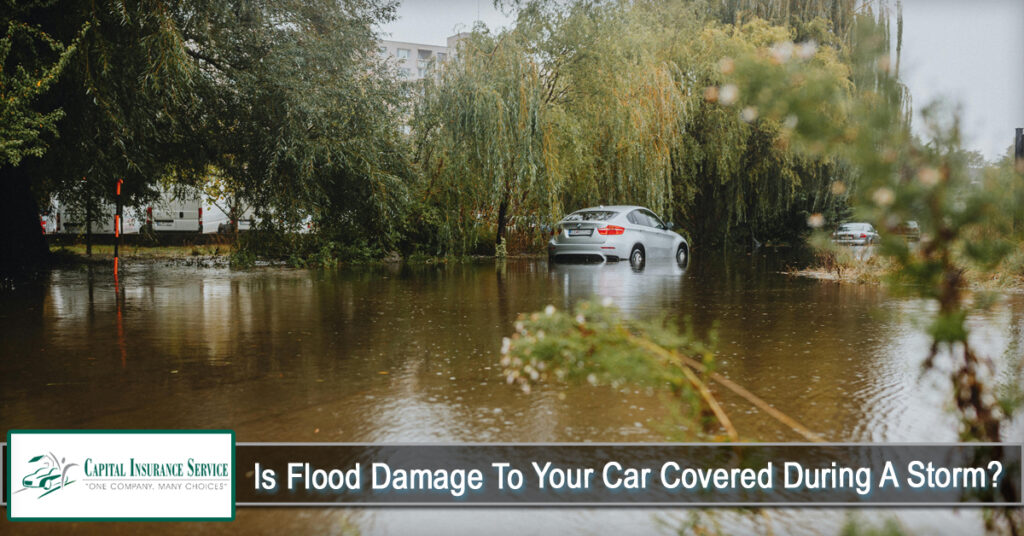
When severe storms hit, flooding can cause widespread damage—not just to homes and property, but also to vehicles. Many drivers are surprised to learn that not all auto insurance policies cover flood damage, and discovering this after the fact can be an expensive lesson.
Understanding what your policy includes—and what it doesn’t—is essential to protecting your vehicle when heavy rains, flash floods, and rising waters strike. This guide breaks down how insurance works when your car is damaged by a storm-related flood, what coverage you need, and how to stay financially protected in unpredictable weather.
Does Auto Insurance Cover Flood Damage?
The short answer is: yes, but only if you have the right coverage.
Flood damage to your car is not covered under:
- Liability insurance
- Collision insurance
Flood damage is covered under:
- Comprehensive insurance
Comprehensive coverage protects your vehicle from non-collision events, including:
- Flooding
- Severe rainstorms
- Flash floods
- Mudslides
- Rising water
- Hurricanes and storm surges
This makes comprehensive coverage the key policy for storm-related car damage.
How Flood Damage Happens to Vehicles
Floodwaters can damage a car in multiple ways—and often much more severely than drivers realize.
Common types of flood-related vehicle damage include:
- Electrical system failure
- Engine hydrolocking (water entering the engine)
- Contaminated fluids
- Brake and suspension damage
- Interior mold and water damage
- Corrosion and rust
Even a few inches of water can ruin critical components, leading to costly repairs or a total loss determination.
Does Comprehensive Insurance Cover “Storm-Related” Damage?
Absolutely. Insurance companies classify storm-related flooding as a covered peril under comprehensive coverage.
Comprehensive insurance typically covers damage from:
- Heavy rainfall
- Flash flooding
- Overflowing rivers or storm drains
- Hail or wind-driven rain (if water enters the vehicle)
- Hurricanes
- Snowmelt flooding
If a storm causes rising water that damages your vehicle, comprehensive is the coverage that pays.
When Flood Damage Is Not Covered
Even comprehensive coverage has limitations. Flood damage may not be covered if:
- You only have liability or collision insurance
- You intentionally drove into deep water
- The vehicle was used for commercial purposes without proper policy endorsement
- The damage occurred before the policy was active
Always review your policy exclusions for clarity.
What to Do if Your Car is Flooded During a Storm
If your vehicle suffers flood damage, take these steps:
1. Do NOT start the engine
Attempting to start a flooded engine can cause irreversible damage.
2. Take photos and videos of the damage
Include interior, exterior, and undercarriage images for documentation.
3. Contact your insurance company immediately
Provide details about the storm, the water level, and visible damage.
4. Tow the vehicle to a repair shop (if advised)
Avoid driving the car until a professional assesses the damage.
5. Keep all receipts related to the incident
This includes towing, temporary transportation, and emergency services.
Although many people associate Nevada with dry weather, storms and flash flooding can occur—especially in low-lying areas and during heavy seasonal rains. Drivers in Reno, NV should consider adding comprehensive coverage to their auto policies to ensure they’re protected from unpredictable flood events that can cause costly damage.
How Much Does Comprehensive Coverage Cost?
Comprehensive insurance is generally affordable. Factors that affect the cost include:
- Your vehicle’s make and model
- Your driving history
- Where you live
- Your chosen deductible
For many drivers, the added protection outweighs the modest cost increase.
Is Flood Damage Ever Considered a Total Loss?
Yes. If repairing your vehicle costs more than its value, the insurer may declare it a total loss. This is common due to the extensive damage water can cause to:
- Electronics
- Airbags
- Engine components
- Interior materials
In such cases, your insurer will pay the actual cash value (ACV) of the vehicle, minus your deductible.
Preventing Flood Damage: Tips for Storm Preparedness
While you can’t control the weather, you can reduce the risk of damage.
Smart precautions include:
- Parking on higher ground during storms
- Avoiding low-lying or flood-prone areas
- Never driving through standing water
- Checking weather alerts regularly
- Moving your vehicle indoors if possible
A few preventive steps can save thousands of dollars.
Conclusion
Flood damage to your car can be devastating—but with the right insurance coverage, you can avoid bearing the financial burden alone. Comprehensive insurance is the only type of auto coverage that protects your vehicle from storm-related flooding, making it an essential part of your policy.
Whether you live in Reno, NV, or anywhere with unpredictable weather patterns, reviewing your auto insurance today can help ensure you’re fully prepared for tomorrow’s storms.
At Capital Insurance Service, we are committed to offering our clients a wide range of comprehensive and affordable insurance policies. We go above and beyond to ensure that we meet your unique needs with tailored solutions. To find out more about how we can assist you, please reach out to our agency at 775-301-9099 or CLICK HERE to request a free, no-obligation quote.
Disclaimer: The content provided in this blog is for informational purposes only and should not be considered professional advice. For personalized guidance, it is important to consult with a qualified insurance agent or professional. They can offer expert advice tailored to your individual situation and help you make well-informed decisions about your insurance coverage.