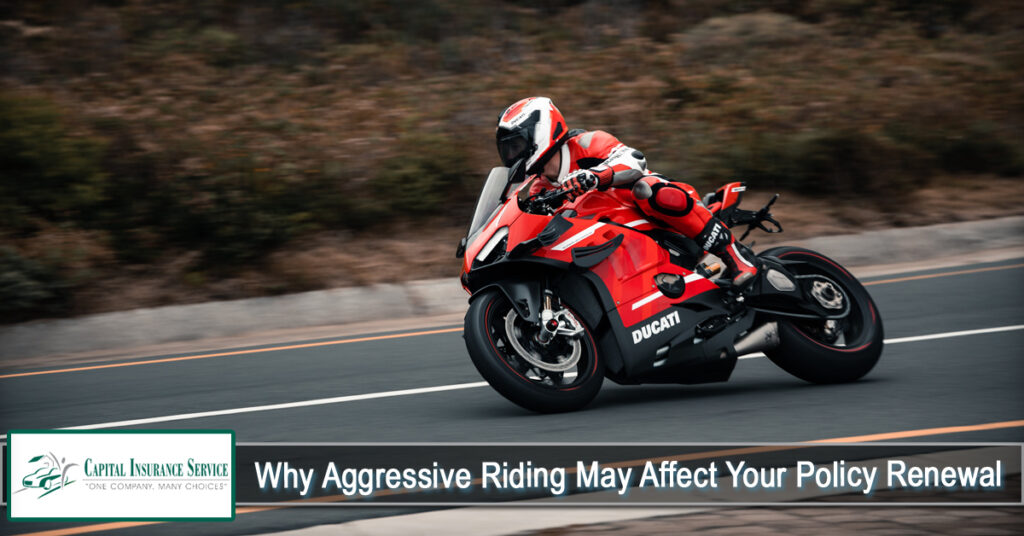
Motorcycles offer freedom, excitement, and a powerful connection to the road. But with that freedom comes responsibility—not only for your safety, but also for how your riding habits impact your insurance. While most riders understand that accidents and tickets can raise premiums, many are surprised to learn that aggressive riding behavior can jeopardize their motorcycle policy renewal altogether.
Insurance companies evaluate risk carefully, especially for motorcyclists. Aggressive riding signals a higher likelihood of future claims, leading insurers to increase premiums or, in some cases, decline renewal. Understanding how your riding habits influence your policy can help you stay insured, stay protected, and stay safe on the road.
What Counts as Aggressive Riding?
Insurance companies look at behaviors that increase the likelihood of accidents, injuries, or damage.
Common examples of aggressive riding include:
- Excessive speeding
- Tailgating or weaving through traffic
- Hard braking and rapid acceleration
- Street racing or stunt riding
- Repeated traffic violations
- Reckless or careless driving citations
Not every incident will affect your policy the same way, but patterns of risky behavior raise red flags for insurers.
Why Insurers Care About Riding Behavior
Motorcycles already come with higher statistical risks compared to passenger vehicles. When a rider demonstrates aggressive habits, insurers interpret that as an indicator of:
1. Higher Claim Probability
Riders with a history of aggressive behavior are significantly more likely to file a claim—whether due to accidents or injuries.
2. Increased Severity of Claims
Aggressive riding often correlates with high-speed crashes, severe injuries, and costly repairs or total losses.
3. Greater Liability Exposure
Unsafe riding can injure other drivers, pedestrians, or passengers, creating expensive liability payouts.
4. Patterns That Predict Future Losses
Even minor violations add up. Insurance companies use your driving history to assess overall risk.
How Aggressive Riding Affects Your Policy Renewal
Aggressive riding doesn’t always mean your policy will be canceled—but it can influence renewal terms.
Possible outcomes include:
1. Higher Premiums
Insurers often raise rates for riders with:
- Multiple speeding tickets
- At-fault accidents
- Reckless driving violations
Even one serious violation can result in a noticeable premium increase.
2. Reduced Coverage Options
An insurer may offer renewal but restrict certain coverages, such as:
- Lower liability limits
- Loss of accessory coverage
- Higher deductibles
Removal of optional protections (like roadside assistance)
3. Non-Renewal
In more severe cases, insurers may decline to renew your policy entirely, leaving you to seek coverage from higher-risk carriers at significantly higher rates.
4. SR-22 Requirements
If your aggressive behavior leads to a major violation (e.g., DUI, reckless driving), the state may require an SR-22, which will dramatically increase insurance costs.
How Insurers Monitor Riding Behavior
Insurers gather information from multiple reliable sources:
- Your driving record (MVR reports)
- Claims history
- Accident reports
- Law enforcement citations
- Telematics devices (if used)
In some modern programs, riders who opt into telematics may also be monitored for:
- Rapid acceleration
- Hard braking
- Speeding
- Erratic movement patterns
These tools reward safe riders and penalize aggressive behavior.
Riding conditions in Reno, NV can vary dramatically—from sunny desert stretches to unpredictable mountain weather. Insurers often pay close attention to risk factors in areas with diverse riding environments. Maintaining safe riding habits not only protects you physically but helps ensure your motorcycle coverage remains affordable and renewable.
How to Reduce the Impact of Past Violations
If you have a history of aggressive riding, there are steps you can take to rebuild insurer confidence.
1. Take a Motorcycle Safety Course
Many insurers offer premium discounts when riders complete certified safety training.
2. Maintain a Clean Record Moving Forward
Avoiding further violations for 12–36 months can significantly improve your renewal options.
3. Install Approved Safety or Anti-Theft Devices
These can lower premiums and demonstrate responsible ownership.
4. Avoid High-Risk Behaviors
Street racing, stunt riding, and weaving through traffic dramatically raise insurance risks—and personal danger.
5. Consider Telematics Programs
If offered, these programs can reward safe riding habits with lower premiums over time.
Tips for Keeping Your Motorcycle Insurance Affordable
- Bundle your motorcycle with home or auto insurance
- Maintain good credit
- Choose a motorcycle with lower performance risk
- Raise deductibles responsibly
Safe and responsible riding remains the most consistent way to maintain good rates.
Conclusion
Aggressive riding doesn’t just increase your chances of a crash—it can directly affect your motorcycle insurance renewal, leading to higher premiums, limited coverage, or even non-renewal. Understanding how insurers interpret riding behavior helps you make smarter choices on the road and maintain reliable coverage.
Whether you’re cruising through city streets or exploring open roads around Reno, NV, responsible riding protects both your safety and your long-term insurance costs.
At Capital Insurance Service, we are committed to offering our clients a wide range of comprehensive and affordable insurance policies. We go above and beyond to ensure that we meet your unique needs with tailored solutions. To find out more about how we can assist you, please reach out to our agency at 775-301-9099 or CLICK HERE to request a free, no-obligation quote.
Disclaimer: The content provided in this blog is for informational purposes only and should not be considered professional advice. For personalized guidance, it is important to consult with a qualified insurance agent or professional. They can offer expert advice tailored to your individual situation and help you make well-informed decisions about your insurance coverage.